
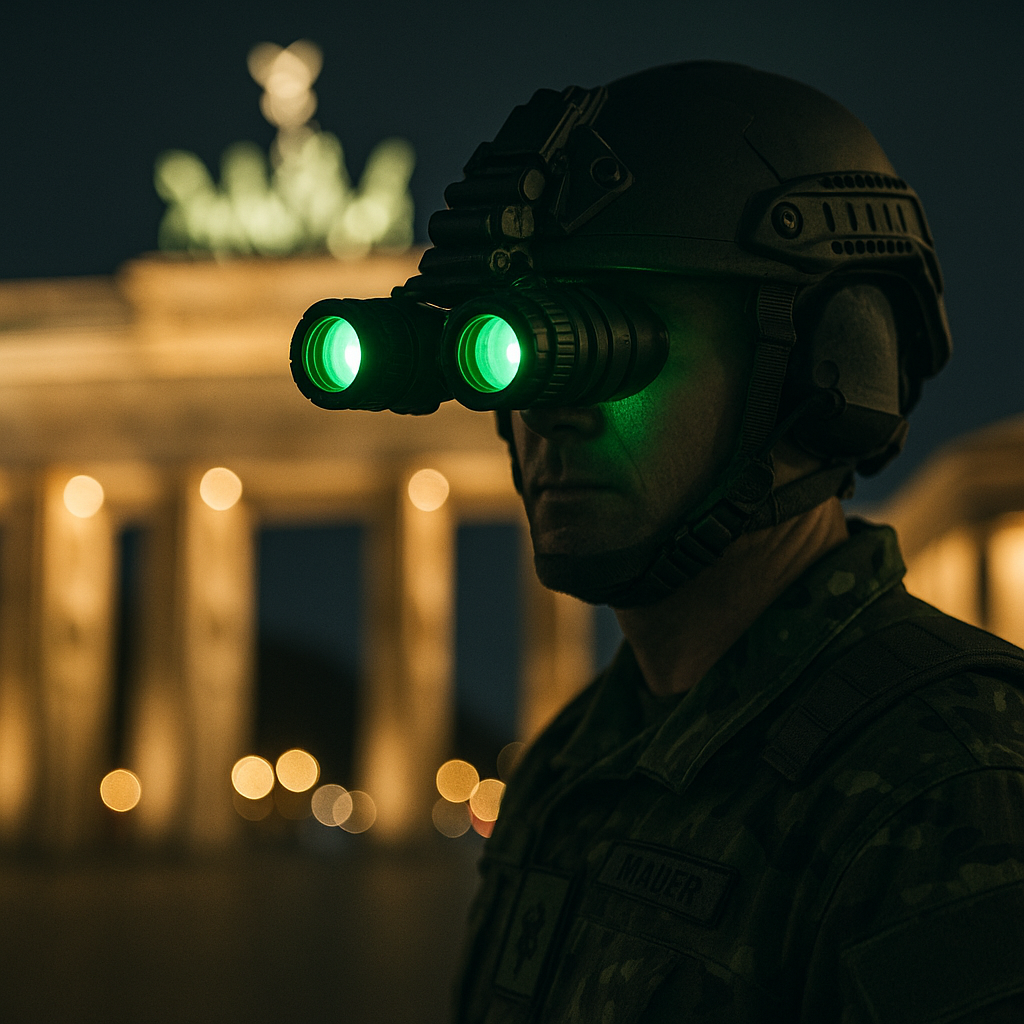
Germany is done whispering about the threat next door. Defense Minister Boris Pistorius says the country has to be war-ready—not in theory, not on paper, but in real capability that Moscow can actually see. It’s a blunt message from the most popular politician in Germany, and it’s landing in a country that has spent eight decades defining itself as a peace project.
The timing isn’t an accident. Berlin’s top general, Carsten Breuer, just warned that Russia must never come to believe it can beat NATO—or even a single NATO state. Germany has been studying every lesson from Ukraine’s battlefield to make sure Moscow doesn’t mistake restraint for weakness. That means faster procurement, more people in uniform, and air-defense magazines that don’t run dry.

Here’s the hard part: the Bundeswehr is trying to climb a mountain with a half-full rucksack. Years of neglect left the force short on kit and even shorter on people. The target is a 260,000-strong military—Germany’s first truly sizable army of the modern era—but the gap to get there is massive. Recruiting alone won’t close it quickly, and every solution stirs a political hornet’s nest. One proposal leaned on voluntary service. Another floated a draft lottery if recruiting missed the mark. Both ran into a wall, including from Pistorius himself when the politics turned sloppy. Meanwhile, the public is split: many voters will tolerate conscription if needed—especially older voters—but the generation likeliest to be drafted isn’t thrilled.
And yet, the spending taps are open in a way Germany hasn’t seen in decades. Billions are now flowing into hardware that matters on day one: IRIS-T air-defense missiles, night-vision by the six-figure lot, and new helicopters—practical tools that move units, see at night, and shoot down what needs shooting down. You can feel the gear turning from PowerPoint to pallets. Just this week, Berlin advanced another helicopter buy under that post-invasion modernization drive. It’s not glamorous, but it’s exactly how you rebuild a military: boring purchases that show up and work.
Pistorius keeps eating fire from his own left flank for saying “kriegstüchtig”—fit for war—out loud. But that bluntness explains why he polls miles ahead of the pack in a system allergic to big talk about force. Voters recognize someone who isn’t trying to sell them a polite fantasy. The contradiction he navigates is simple enough to say and hard to live with: arm Ukraine and avoid NATO-Russia war at the same time. That tightrope has defined Europe since 2022 and will define Germany’s politics through the rest of this decade.
What changes if Berlin truly commits? First, Russia’s calculus. If the Kremlin stops expecting quick wins in Europe, the chance of miscalculation drops. Second, NATO’s center of gravity. A Germany that can surge troops, replenish interceptors, and keep industry humming is a Germany that anchors the alliance instead of apologizing for it. Third, time. War-readiness buys it—time for deterrence to work, and time to prevent the kind of war Europe can’t afford to relearn. That’s the point Breuer keeps hammering: never let Moscow think it has a shot.
So yes, the debates will stay messy: conscription vs. volunteers, debt brake vs. defense, left vs. right—plus the usual German allergy to anything that looks like saber-rattling. But the direction is unmistakable. Germany isn’t fantasizing about neutrality; it’s staring down a neighbor that respects only capacity. Being “war-ready” isn’t swagger. It’s the price of making sure you never have to fight.
Germany is shifting from promises to capabilities—faster buys, tougher recruitment choices, and a doctrine built to deter, not provoke. If that sticks, it won’t just change Berlin’s politics. It will change Moscow’s math.




Leave a Reply