
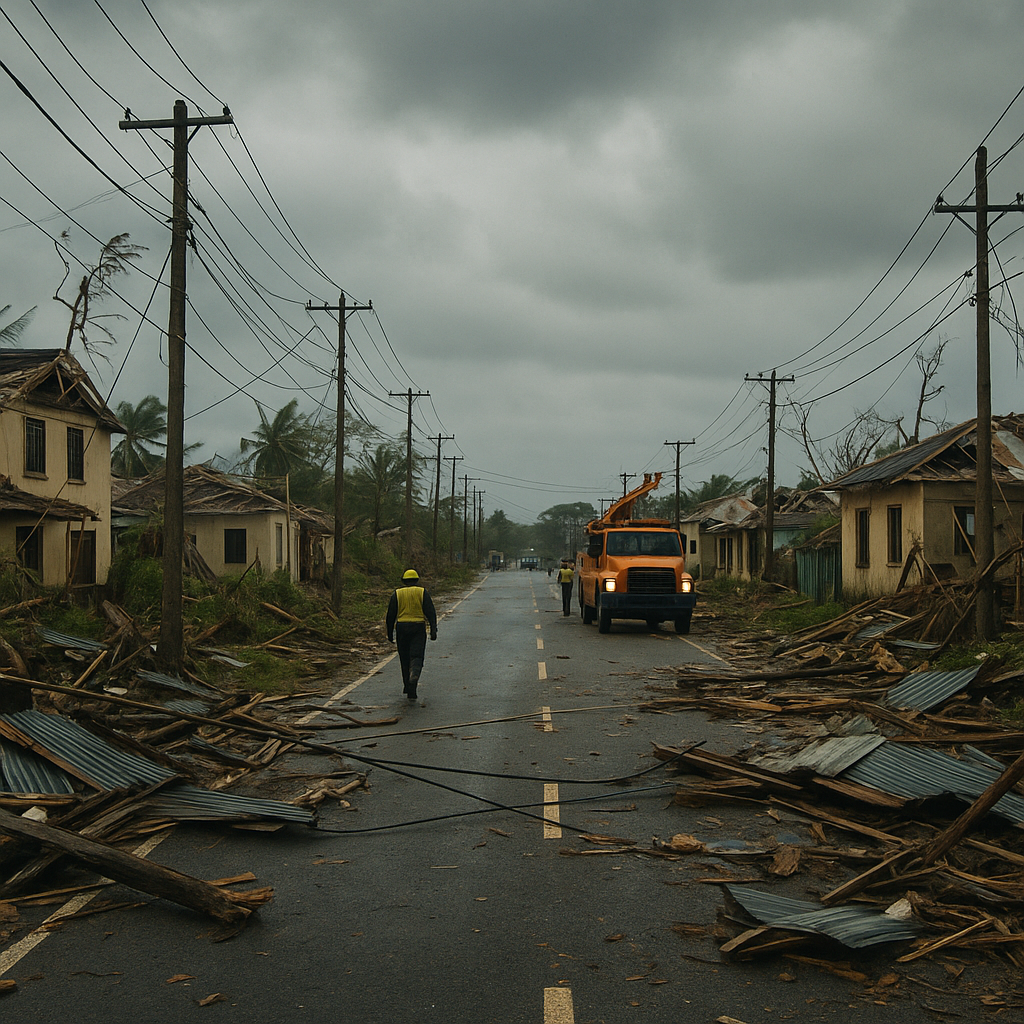
The storm has moved on; the hard part stayed behind. As of November 1, 2025, large portions of Jamaica are still working through downed lines, blocked roads, and broken supply chains after Hurricane Melissa—the most powerful storm to strike the island in modern records—tore across the country this week. Aid is flowing, but it’s fighting geology and bureaucracy at the same time.

Air access is slowly improving. Sangster International Airport (Montego Bay) reopened for relief flights first, while regular passenger traffic remained restricted as crews patched roofs and cleared flooded areas. That’s allowed more international responders and supplies to land, though distribution still depends on road clearance across the southwest and interior.
On the ground, the Jamaica Red Cross and the wider Red Cross/Red Crescent network have pushed out pre-positioned kits—tarps, hygiene items, water containers—while the IFRC launched a 19 million Swiss franc emergency appeal to support 180,000 people over the next two years. Needs they flag first: safe water, shelter repairs, basic health services, and cash assistance for families who lost homes and income.

The World Food Programme (WFP) is helping stitch together the logistics backbone—warehousing, trucking, and cash/voucher tools—so government and NGO partners can move food and essentials where roads are passable. Think of WFP as the behind-the-scenes dispatcher: coordinating storage, transport, and last-mile delivery as parishes reopen route by route.

International support is ramping. The UK released £2.5 million in emergency items (shelter kits, blankets, water filters) and pre-positioned stock in the region; consular teams and a Royal Navy asset are on standby. Canada has sent $7 million for regional relief. These funds translate into very practical fixes: roof tarps, power-free water systems, and gap-filling cash for households while utilities and shops restart.

Damage is uneven but severe. South-western parishes were hit hard by wind and flooding; Kingston avoided the worst, which is why national coordination could resume quickly even as cut-off districts waited for road crews. Nationally, the death toll across the Caribbean has risen since landfall; Jamaica’s share accounts for a significant portion, and officials warn numbers can shift as access improves. For now, the operational takeaway is the same: open roads and power are the relief multipliers.
What’s slowing aid? Three things, mostly:
- Road access. Landslides and debris keep some communities in “islands within the island.” Every cleared corridor speeds everything else.
- Power & water. Grid damage cascades into water treatment, clinics, and communications; repairs unlock health and WASH services.
- Throughput. Even when planes land and trucks roll, warehousing and last-mile delivery must sync—exactly what WFP and the Red Cross are scaling now.

The next few weeks are about stability: getting households out of emergency mode and into repair mode. That means modest, unglamorous wins—chlorine tabs in the right place, roofing material that actually arrives, cash that buys groceries at the only shop with a generator. Those “boring” fixes are how disaster curves flatten.
Relief is coming in faster each day as airports and highways reopen, but the hardest-hit parishes still depend on road crews and power teams to unlock full coverage. Until then, responders are leapfrogging passable routes and using pre-positioned stock to keep the essentials moving. Jamaica’s aid lifeline is built on asphalt, transformers, and logistics spreadsheets—and right now, every cleared kilometer and re-energized feeder line counts.




Leave a Reply