
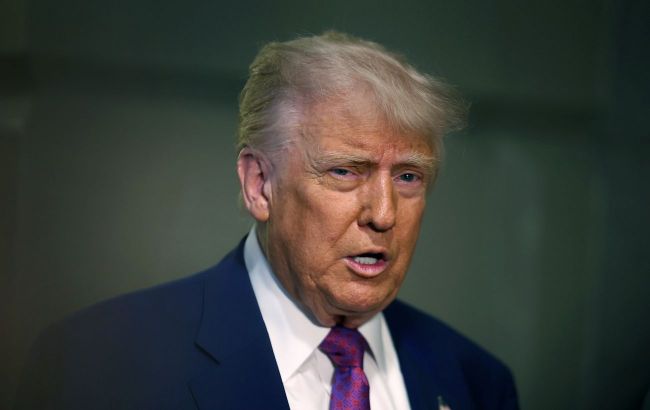
During a lunch at the White House this week, U.S. President Donald Trump said something that raised eyebrows across Washington, Kyiv, and Moscow alike — that the war between Russia and Ukraine might soon come to an end.
“It’s going to be tough to beat Washington and Lincoln,” Trump told a room of guests, comparing himself to two of America’s most revered presidents. “But we’re going to give it a try, right? Hey, they didn’t put out eight wars, nine coming. We put out eight wars, and the ninth is coming, believe it or not.”
The “ninth” war, it seems, is the conflict in Ukraine and Trump believes he might be the one to bring it to a close.
The peace push
Over the past week, Trump has held separate meetings with both Russian President Vladimir Putin and Ukrainian President Volodymyr Zelenskyy. After sitting down with Zelenskyy on October 17, Trump said it was time to “end the war along the current front line.” Zelenskyy reportedly didn’t object to that goal but made it clear that Ukraine would not accept any deal that meant giving up its territory.
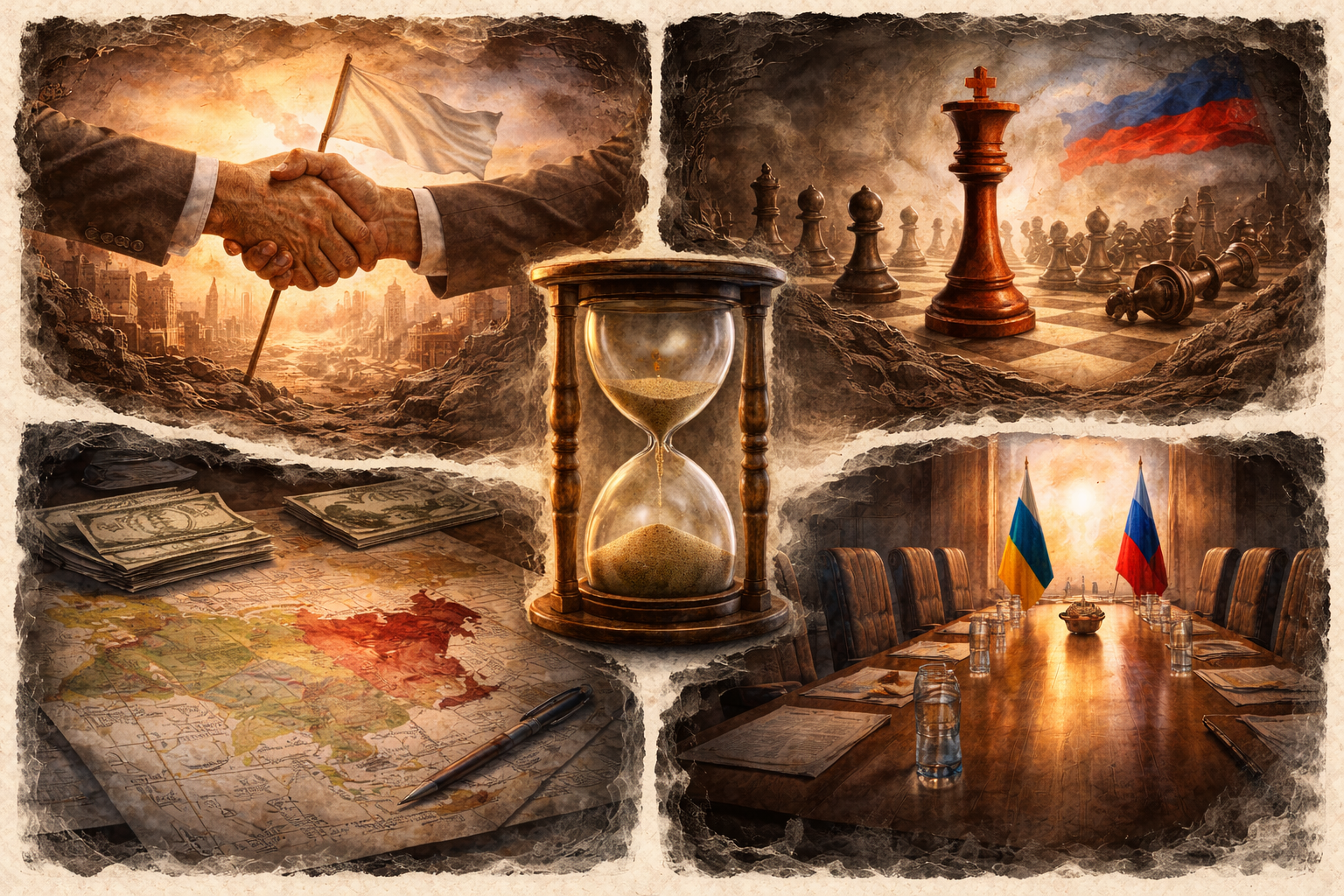
Behind the scenes, European and Ukrainian officials appear to be working on something that might line up with Trump’s vision — a new 12-point plan to halt the war along the front lines. According to Bloomberg, the proposal would establish a ceasefire based on the current territorial situation and create a peace commission chaired by Trump to oversee its implementation.
What’s inside the 12-point plan
While still being finalized, the plan reportedly includes several key provisions. Russia would agree to a ceasefire, both sides would exchange prisoners, and all deported Ukrainian children would be returned home. Ukraine would receive security guarantees, funding for reconstruction, and an accelerated pathway to European Union membership.
In return, Western sanctions on Russia would be gradually eased — but with conditions. Around $300 billion in frozen Russian assets would remain off-limits until Moscow agrees to participate in rebuilding Ukraine. If Russia were to resume hostilities, the sanctions would snap back into place.
There’s also a delicate clause about the territories currently occupied by Russian forces. The plan envisions Kyiv and Moscow entering negotiations about how those regions would be administered, but neither Ukraine nor its European partners would legally recognize them as Russian territory.
A cautious welcome — and early pushback
Trump’s remarks have already stirred debate. For Ukraine and its allies, even talking about a ceasefire based on the current front line is a controversial step. It would effectively lock in Russian territorial gains for now — something that goes against Kyiv’s official position that all occupied territories must be liberated.
Russia’s response was swift. Foreign Minister Sergey Lavrov dismissed the idea outright, saying Moscow does not want a ceasefire and has no plans to halt operations. That rejection underlines the core challenge: any plan that freezes the war without addressing Russia’s long-term goals may be dead on arrival.
Still, the fact that Ukraine and European partners are drafting a peace framework shows that quiet diplomacy is happening behind the scenes. European officials are reportedly traveling to Washington this week to present the plan and test the waters with Trump’s administration.
What’s Trump’s angle?
Trump’s confidence that he can “end the war” fits into his broader narrative of being a dealmaker who can achieve what others couldn’t. His remark about being “the ninth” war reflects his claim that his administration has stopped or resolved multiple global conflicts. Whether that’s accurate is debatable — but politically, it’s a message that plays well to his base: a strong leader bringing peace through personal leverage.
For Trump, this peace initiative could be as much about legacy as diplomacy. He hinted as much when he said it would be “tough to beat Washington and Lincoln” but that he’d “give it a try.” Ending a war as devastating and complex as Ukraine’s would certainly earn him a place in the history books — though whether that peace would hold is another question entirely.
What’s at stake
If Trump does manage to broker even a temporary ceasefire, it would reshape how the war — and Europe — move forward. Ukraine could gain breathing room, a guarantee of reconstruction funds, and stronger ties to the EU. For Europe, it would mean stability and the start of rebuilding. But for Kyiv, it would also mean living with frozen front lines that leave millions still under Russian control — a situation eerily similar to the “frozen conflicts” in Georgia or Moldova.
And if history is any guide, frozen wars have a habit of thawing again.
A war that refuses to end easily
For now, Trump’s optimism might be more about tone than timing. Even if the war doesn’t end soon, his comments show a shift in how world leaders are beginning to talk about it. The conversation has moved from “defeat Russia” to “stop the fighting.”
Whether that’s the first step toward real peace or just a pause before the next round — that remains to be seen.



Leave a Reply