

The war in Ukraine is now moving across several interconnected fronts at once. Diplomacy and military activity continue in parallel, shaping events from London to Kyiv, often on the same day. While world leaders meet to discuss the future, communities in Ukraine are still facing missile and drone attacks, and soldiers on the front line are experiencing the daily demands of the conflict. Understanding this dual reality is essential to recognizing where the war stands at the end of 2025.
Early Friday morning, Russian missiles and drones targeted Kyiv Oblast, injuring several civilians and damaging residential buildings. Although Ukrainian air defenses intercepted many of the incoming threats, the attacks were a reminder that the war remains unpredictable and continues to affect areas far from the active front. Emergency crews responded quickly, and most of the structures hit were stabilized, but the psychological strain of repeated strikes remains significant for residents.

At the same time, Ukraine carried out a major cyber operation against Eltrans+, a large Russian freight logistics company. Ukrainian cybersecurity teams were able to disable hundreds of its servers, affecting transportation and supply coordination across multiple regions of Russia. While cyber operations do not create the physical damage of missile strikes, they can have long-term effects on military logistics, industrial output, and civilian infrastructure.


Insights from Ukrainian soldiers interviewed recently help provide deeper context for these developments. One soldier explained that Russia’s approach on the front line often relies on high volumes of personnel, drones, and ammunition. When Russian supplies are consistent, assaults can be intense. But when logistics falter, the pressure on Ukrainian positions decreases noticeably. Cyberattacks that disrupt supply chains may not appear dramatic, but they can influence the tempo of fighting.


Another soldier described the persistent challenge of limited ammunition and the difficulty of matching Russia’s quantity-driven strategy. He emphasized that even small disruptions to Russia’s resupply efforts can give Ukrainian forces much-needed time to regroup or reposition.
A third soldier highlighted how the nature of warfare has changed over the past two years, with Ukraine increasingly relying on drones, rapid innovation, and targeted strikes. He noted that technology now shapes nearly every aspect of frontline operations, from reconnaissance to precision attacks.


A fourth soldier spoke about the emotional and mental strain of long-term deployment. He acknowledged the importance of diplomatic efforts but expressed concern that discussions happening far away may not always reflect the full challenges experienced on the ground. His comments reflect a wider sentiment among many service members: hope for an eventual peace, but caution about the terms under which it might be reached.
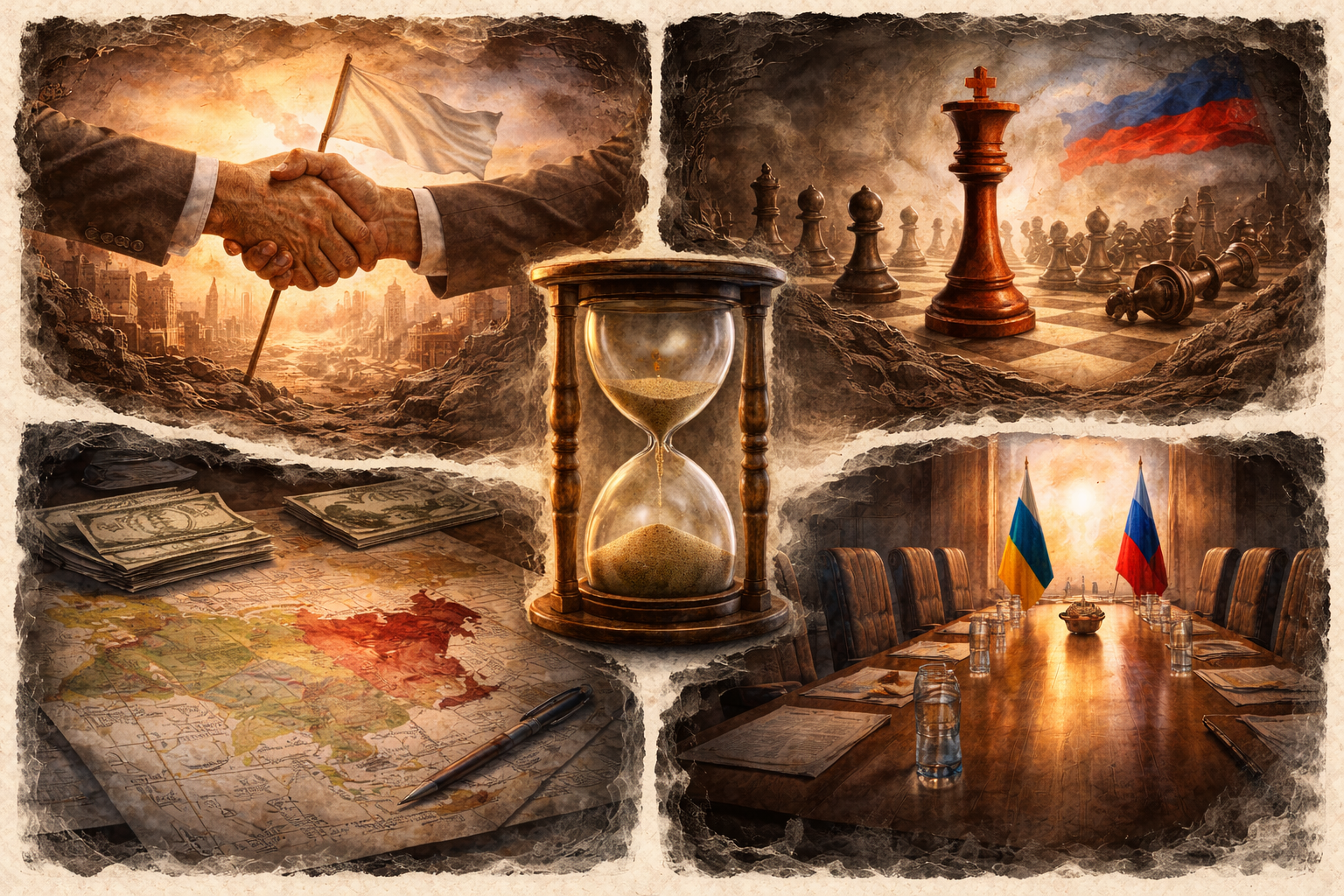
Diplomatic activity has intensified in recent days. President Volodymyr Zelenskyy traveled to London to meet with UK Prime Minister Keir Starmer, with discussions expected to focus on revisions to the U.S.-proposed peace plan. Previous versions of the plan had included provisions unacceptable to Ukraine, such as territorial concessions and restrictions on future security arrangements. These terms were later revised after discussions in Geneva and Florida, but negotiations are still ongoing.

Leaders across Europe are monitoring these talks closely. Any proposal that affects Ukraine’s borders, security guarantees, or reconstruction financing has direct implications for long-term regional stability. For these reasons, Zelenskyy’s meeting in London is being treated as a significant moment in shaping the next phase of diplomatic engagement.
While these discussions continue abroad, life in Ukraine carries on under complex conditions. Civilians navigate air-raid alerts, infrastructure repairs, and ongoing uncertainty.


Soldiers remain on the front line, maintaining defensive positions and adapting to new challenges. Cyber units and intelligence teams continue working to undermine Russia’s ability to sustain its operations.
Taken together, these developments show how the war has expanded beyond a single battlefield. It now involves military operations, cyber activity, diplomacy, international negotiations, and the daily resilience of millions of people. As the year closes, Ukraine is working to maintain stability on all these fronts while preparing for difficult conversations about the conditions required for a just and lasting peace.


Although the path forward is still uncertain, the combination of military adaptation, diplomatic engagement, and international support provides Ukraine with strategic opportunities that did not exist earlier in the war. What remains essential is ensuring that any future decisions reflect both the needs of the country and the realities experienced by those who continue to defend it.


Leave a Reply